
Understanding the Randomness of Games
One of the most pervasive myths about casino gambling is the belief that players can predict outcomes based on previous results. Many people mistakenly assume that games like roulette or slot machines are influenced by past performances, leading them to think they can find a pattern to exploit. In reality, every spin of a slot machine or turn of a roulette wheel is independent of the last. This randomness is governed by random number generators, which ensure fair and unpredictable outcomes. Players often cling to the idea that streaks or patterns exist, believing they can “beat the system,” but this notion can lead to misguided strategies and increased financial risk, especially when they are unaware of options like neosurf online casino australia that offer a variety of gaming experiences.
This myth can lead players to adopt strategies based on past results, such as betting more after a loss in hopes of recouping losses, which only increases the risk of significant financial loss. Understanding that each game is independent helps players make better decisions, focusing on enjoyable gameplay rather than chasing elusive patterns that do not exist. Knowledge of how games operate on a statistical basis can enhance a player’s approach, fostering a more rational mindset when gambling. Players who comprehend the randomness of outcomes are more likely to appreciate the experience rather than fixate solely on winning.
Furthermore, embracing the randomness of games encourages a healthier perspective on gambling. Players should view casino gambling primarily as a form of entertainment rather than a guaranteed way to earn money. Recognizing the inherent unpredictability allows individuals to set realistic expectations and limits, promoting responsible gambling habits. This mindset can transform the gambling experience from one of stress and anxiety to one of enjoyment and fun. By shifting the focus from winning to the thrill of the game, players can cultivate a more positive relationship with gambling.
The House Edge Misconception
Another common myth surrounding casino gambling is the misunderstanding of the house edge. Many players believe that the house edge is a fixed disadvantage that significantly limits their chances of winning in the long run. In reality, the house edge varies by game and is built into the rules to ensure that casinos can operate sustainably. Understanding that the house edge is a factor of probability rather than an unbeatable force is crucial for players. Different games have different edges, and players who take the time to understand these nuances can make better-informed decisions.
For instance, games such as blackjack offer skilled players the opportunity to reduce the house edge by employing optimal strategies, while others like slots have a more significant house edge depending on the machine’s payout percentage. This means that while the house always has an advantage, savvy players can minimize it by understanding game mechanics, employing proper techniques, and choosing games that have better odds for players. This understanding can empower players to approach their gaming choices with greater insight. As a result, they can engage in more strategic betting rather than relying solely on luck.
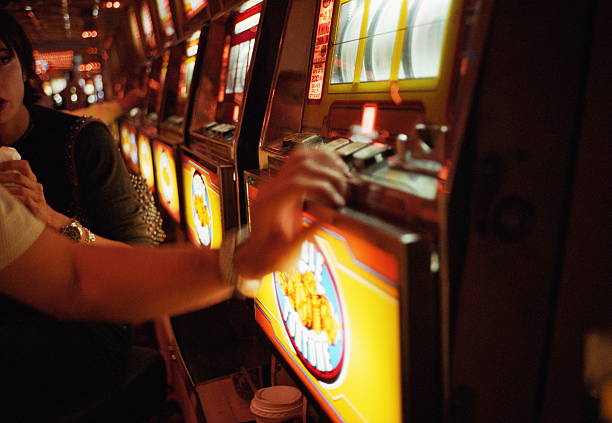
Moreover, the presence of promotions and bonuses can influence a player’s ability to mitigate the house edge. By taking advantage of such offers, players can extend their playtime and potentially increase their chances of winning. Familiarizing oneself with the intricacies of game rules, strategies, and available bonuses presents an opportunity to approach gambling as both a game of skill and chance, making it a more enriching experience. A well-informed player can leverage these factors to create an enjoyable and potentially rewarding gambling experience.
Gambling Addiction and Risk Awareness
A particularly harmful myth in the realm of casino gambling is the notion that gambling addiction only affects those who gamble excessively or lose large amounts of money. In truth, gambling addiction can touch anyone, regardless of their financial situation or gambling frequency. Many individuals believe they can control their gambling habits, often leading to risky behavior that can escalate into a serious addiction. The reality is that addiction can develop gradually and often goes unnoticed until it becomes a significant issue.
Awareness of gambling addiction is essential for anyone participating in casino activities. It is crucial to understand the signs of problem gambling, such as emotional distress or neglecting responsibilities. Many players assume that because they only gamble casually, they are immune to addiction, but even small, frequent betting can develop into unhealthy behavior. Increasing education on responsible gambling and recognizing personal limits can help mitigate this risk. Being informed about the potential dangers of gambling can empower individuals to make healthier choices and seek help when needed.
Furthermore, establishing a support system or seeking professional help can provide the necessary resources for those who may struggle with gambling-related issues. Many casinos and online platforms offer resources and contacts for individuals needing assistance. By breaking down the stigma surrounding gambling addiction, more people can receive the support they need and cultivate a healthier relationship with gambling that prioritizes enjoyment over compulsion. Ultimately, fostering an open dialogue about gambling addiction can lead to increased awareness and prevention efforts.
The Illusion of Skill in Games of Chance
Many individuals subscribe to the myth that skillful play can significantly increase odds in games classified as games of chance, such as slots or roulette. This belief leads to the misconception that seasoned players can influence outcomes through strategies or techniques. While there are skills involved in games like poker or blackjack, where decision-making impacts the outcome, games of chance remain primarily based on luck. This distinction is vital for players to understand if they wish to approach gambling with realistic expectations.

For instance, while a seasoned poker player can read opponents and play strategically, the outcomes in slot machines or roulette remain random. Players often overestimate their ability to control results, leading to frustration when outcomes diverge from expectations. Understanding the distinction between various games and recognizing where skill can play a role versus games predominated by luck can help players set reasonable expectations and enjoy the gaming experience more fully. Acknowledging the role of chance allows for a more relaxed approach to gaming, where the focus is on enjoyment rather than stress.
Additionally, the attractiveness of skill-based gambling can sometimes overshadow the fundamental fact that no strategy guarantees success in games purely driven by chance. This myth can lead to reckless decisions, such as betting larger amounts in hope of winning based on perceived skill, when, in actuality, the results are unaffected by any amount of player strategy. Emphasizing the role of luck in such games helps maintain a realistic perspective on gambling outcomes. Players who embrace the randomness of these games can foster a healthier attitude toward their gambling experience.
Building a Responsible Gambling Environment
Creating a culture of responsible gambling is essential in dispelling myths associated with casino gambling. The gaming industry has recognized the importance of promoting safe gambling practices and educating players about the realities of gambling. Many casinos now implement programs and strategies to ensure that gambling remains a form of fun and entertainment without crossing into irresponsible behavior. This proactive approach not only protects players but also enhances the overall reputation of the gambling industry.
These initiatives often include setting limits on bets and time spent gambling, as well as providing resources for those needing help or guidance. Online casinos often feature tools that allow players to set deposit limits or self-exclude for specific periods to promote responsible behavior. By encouraging players to approach gambling with caution and awareness, the industry can foster a safer gaming environment. Educating players about the potential risks involved can empower them to make informed choices and enjoy their gaming experience responsibly.
Moreover, comprehensive education plays a vital role in shaping a responsible culture around gambling. Many organizations offer resources and training to both players and casino staff to recognize and address gambling issues effectively. Increasing awareness and understanding of gambling myths can lead to a healthier perception of gaming, ensuring that individuals can engage in their favorite pastimes while managing their risks responsibly. As the conversation around responsible gambling continues to evolve, it is crucial to prioritize education and support to protect players and promote a more sustainable gambling culture.